In that environment, the structural system can have a bigger impact than it typically gets credit for and that is where DELTABEAM® comes into the conversation.
Getting More Out of the Same Building Height
Unlike conventional beams that sit below the slab, DELTABEAM® is integrated within the floor structure, creating a slim floor and a flat, flush ceiling.
Why does this matter in affordable housing?
Because reducing structural depth helps teams get more out of a fixed building envelope. It can support higher ceilings, simplify service routing, and make better use of the allowable building height.
Across multiple storeys, those incremental gains add up quickly.
What This Looks Like on Real Projects
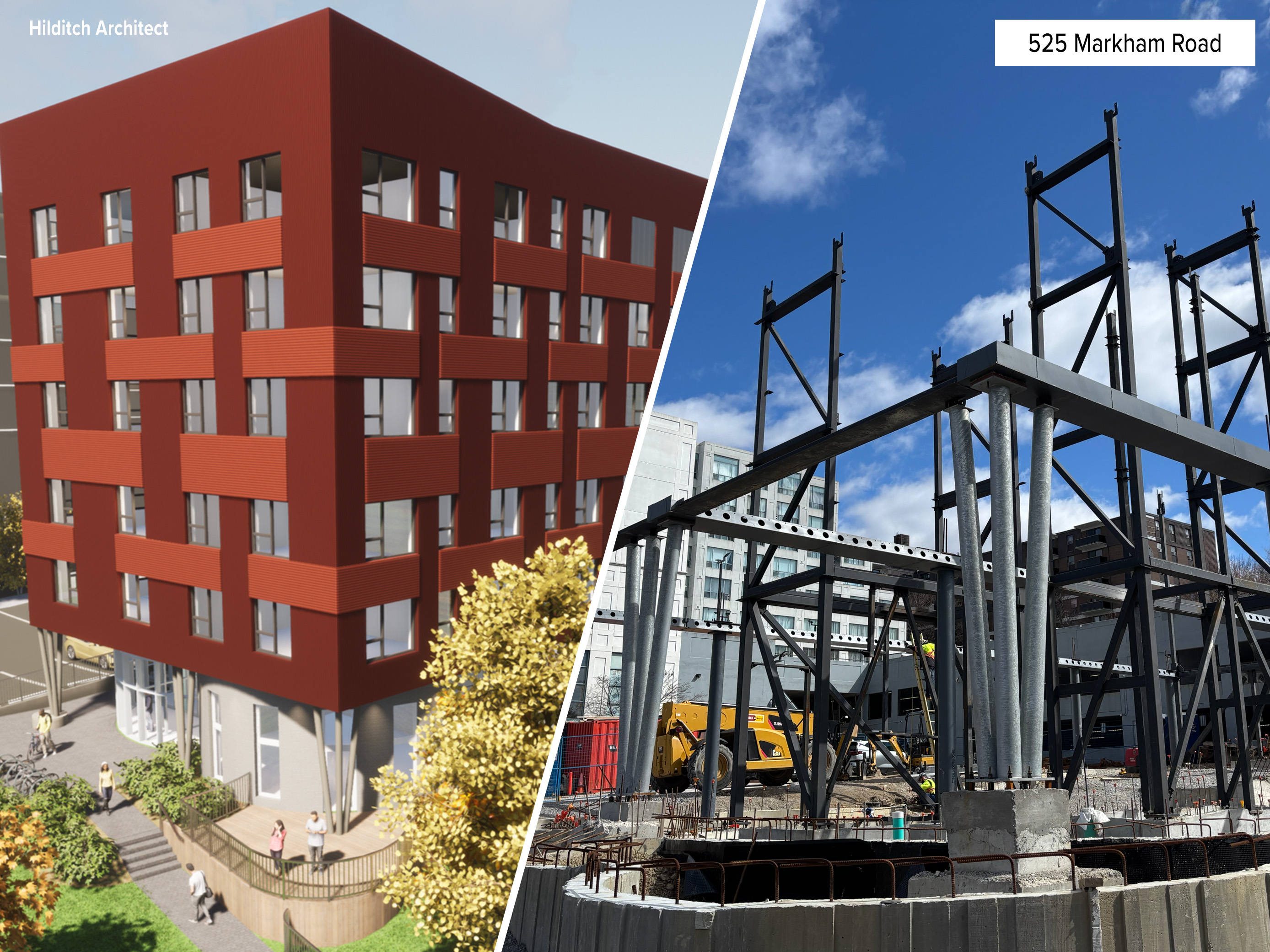
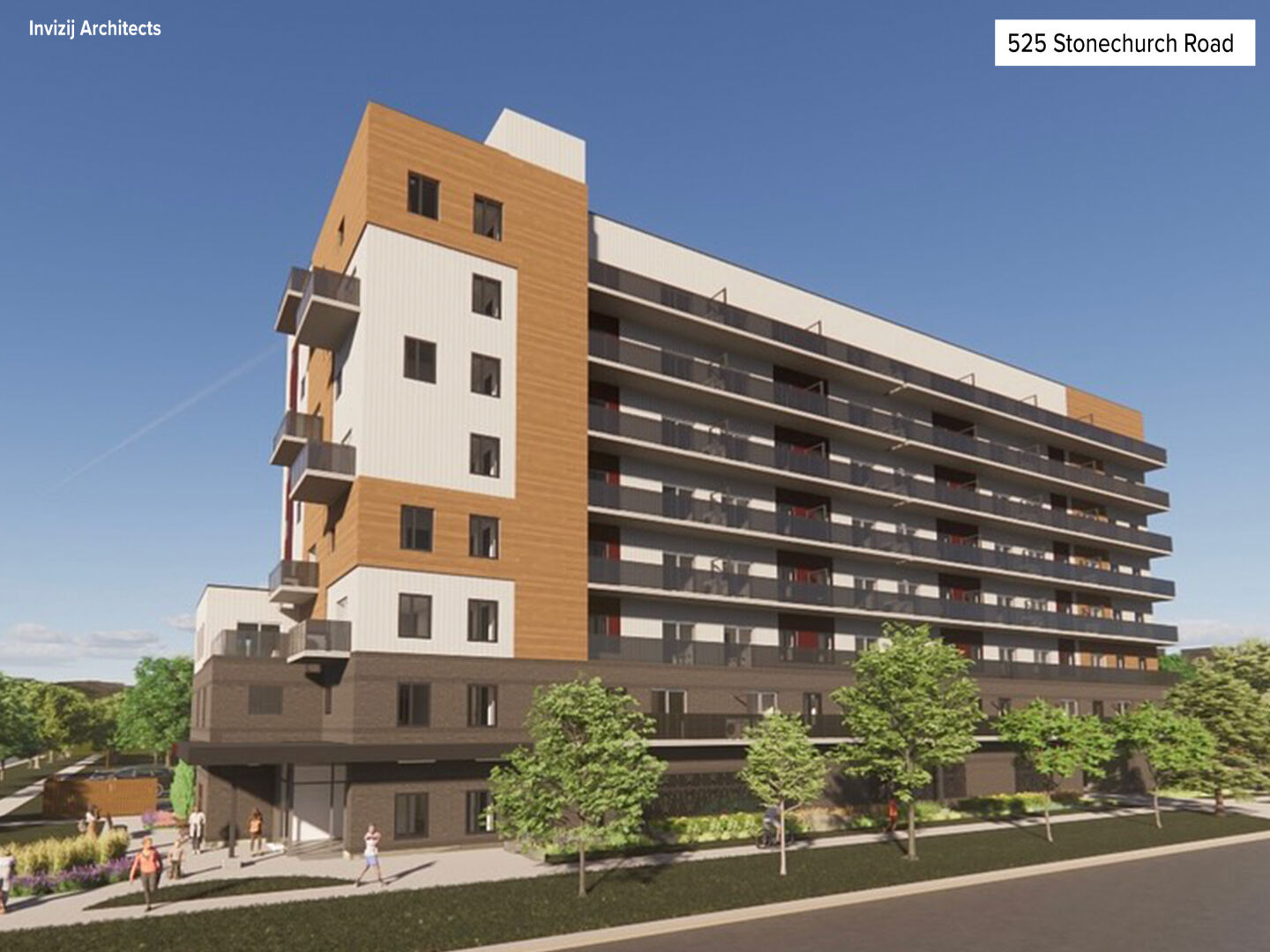
Across projects like 525 Markham Road in Toronto and 525 Stone Church Road in Hamilton, increasing density and delivering larger-scale affordable housing developments highlight the growing need for efficient, buildable structural solutions, especially as teams work within tight budgets, limited space, and the pressure to deliver more units.
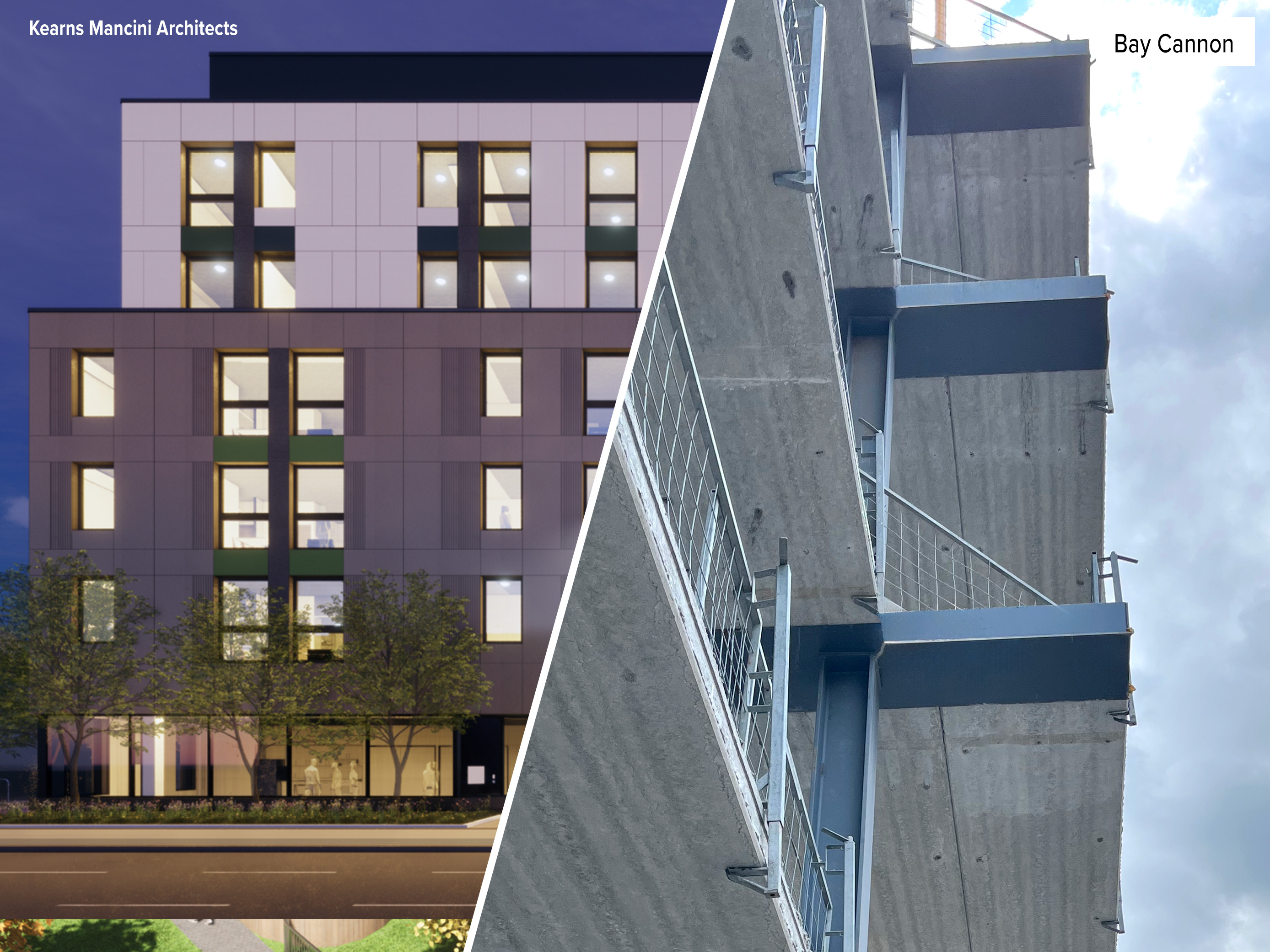
At Bay Cannon in Hamilton, a 55-unit affordable housing development, DELTABEAM® was used with hollowcore slabs to reduce floor thickness and increase headroom. Its integrated fire resistance eliminated the need for additional fireproofing, helping reduce construction costs, while prefabricated elements and bolted connections supported a faster, more efficient build.
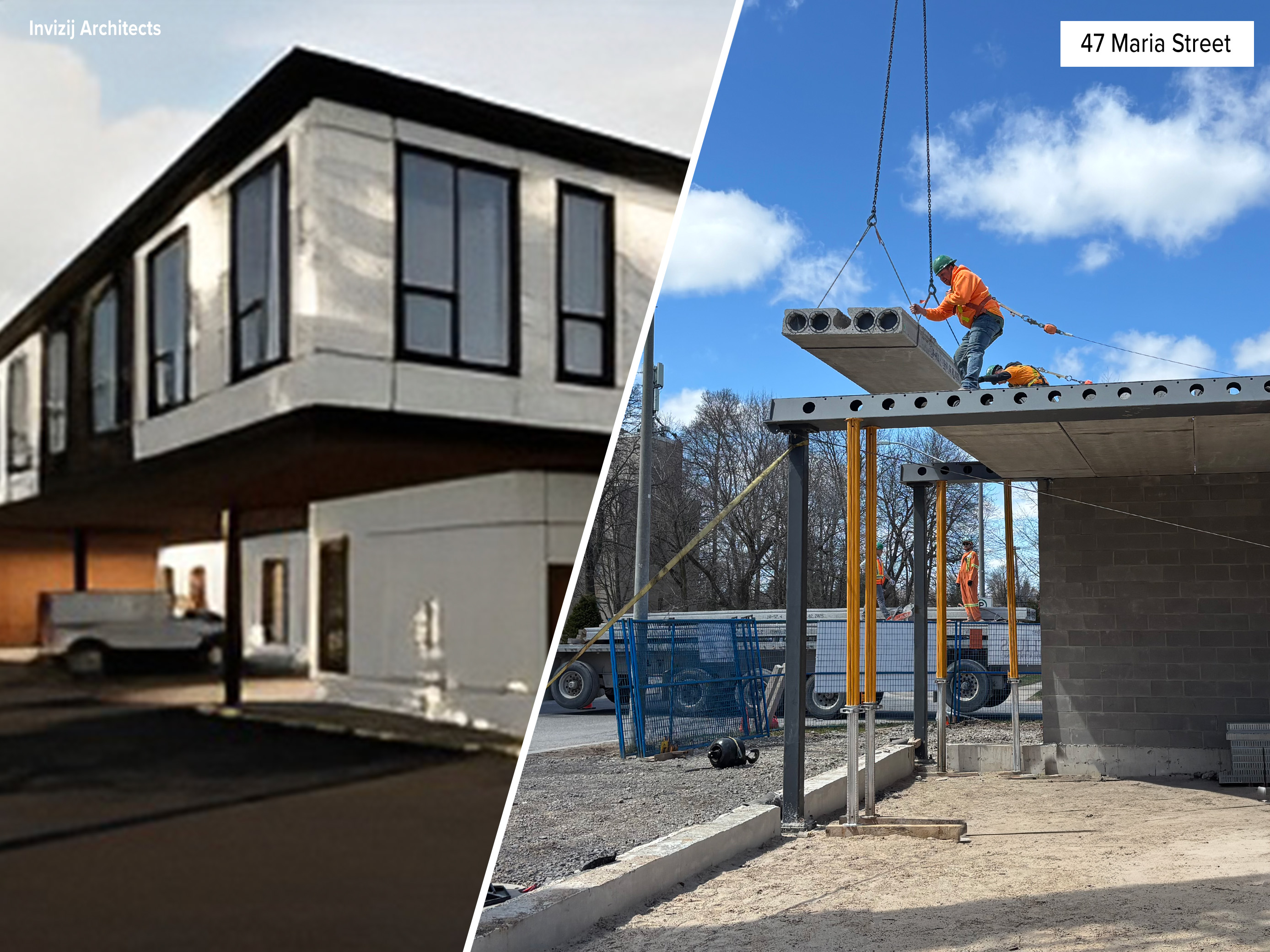
At 47 Maria Street in Acton, Ontario, an affordable and supportive housing project, DELTABEAM® helped resolve structural constraints that could have added complexity and cost. With inset ground-floor parking and a setback upper level, the design required transfer conditions and cantilevers. DELTABEAM® enabled a shallow transfer beam and cantilever solution, supporting spans of up to 8.5 feet with a beam depth of just 16 inches, while allowing the use of standard hollowcore slabs throughout. The result was a more efficient, buildable structure aligned with the realities of a cost-sensitive housing project.
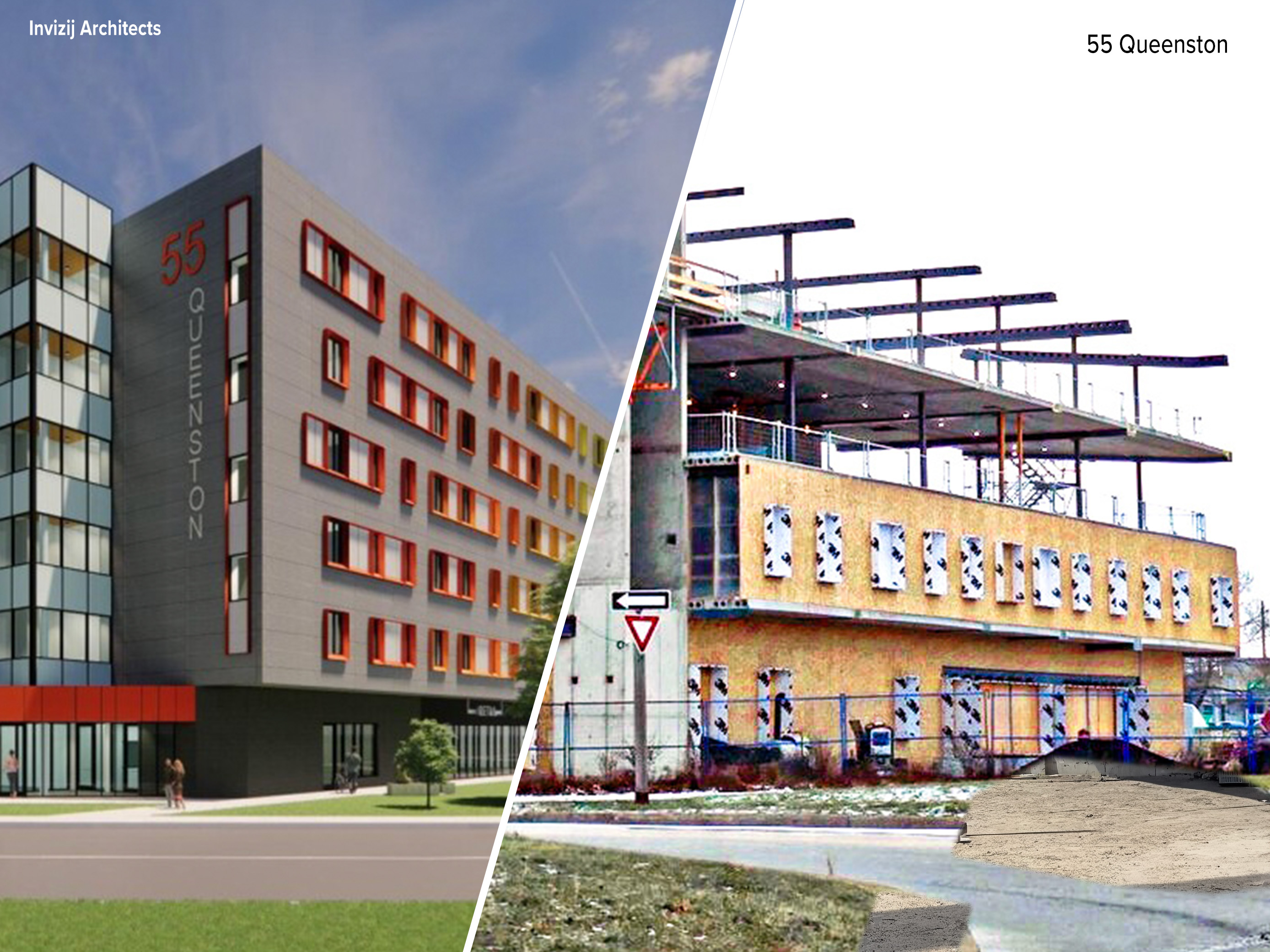
At 55 Queenston in Hamilton, Ontario, DELTABEAM® was used in a six-storey mixed-use building delivering 40 affordable housing units. Its slim floor allowed for increased floor-to-ceiling heights, while integrated fire resistance contributed to reduced construction costs.
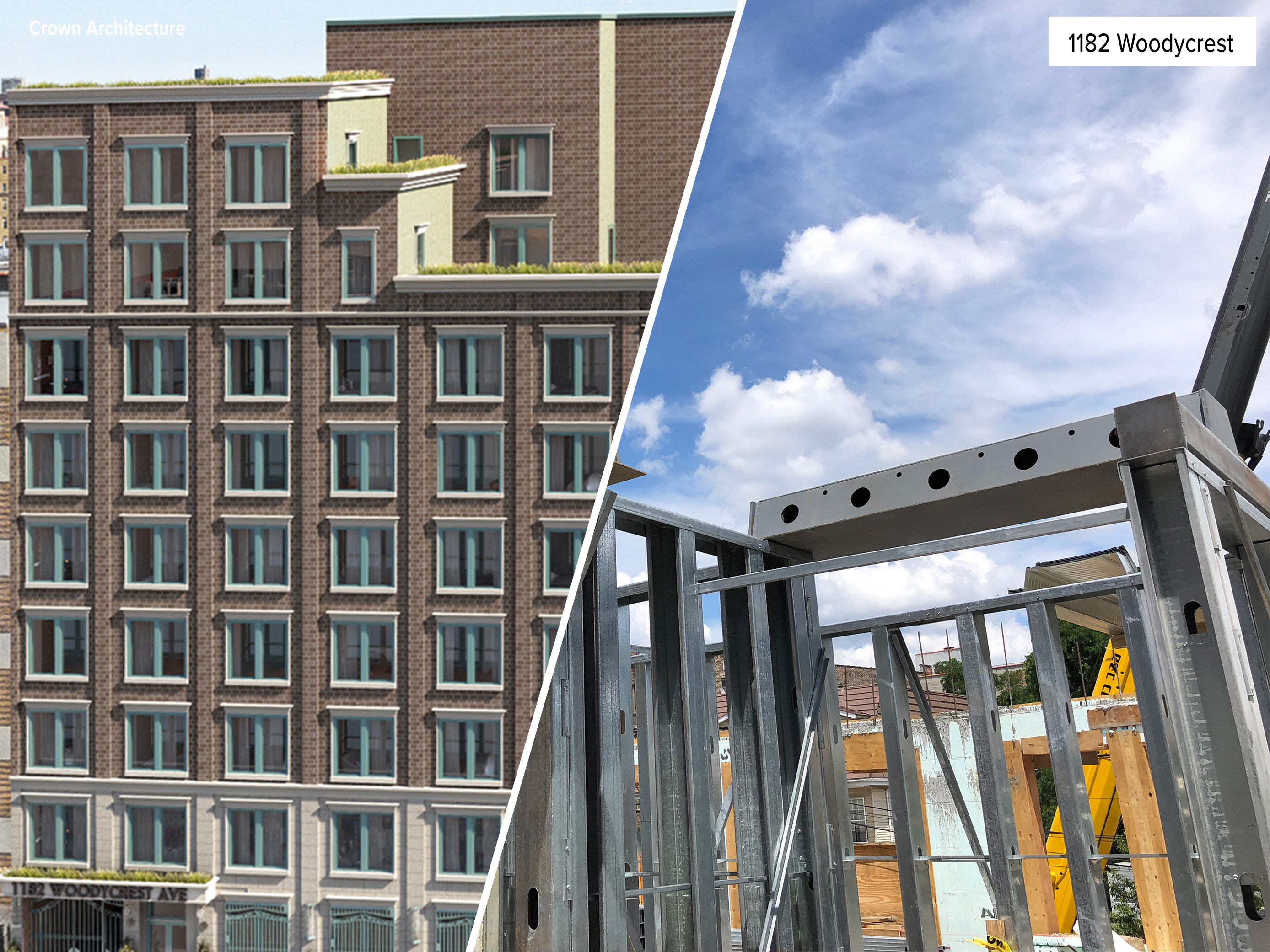
At 1182 Woodycrest Avenue in the Bronx, a 53-unit affordable housing project used DELTABEAM® with ComSlab® to create a fire-rated slim floor system. By reducing structural depth and improving space for services, the system helped maximize floor-to-ceiling height and support better MEP coordination, helping reduce complexity on site.
At Lakeshore Lofts in Mississauga, a 68-unit affordable and supportive housing development, DELTABEAM® was used with hollowcore slabs to achieve a slim floor and flat soffit. The improved space for services supported a high level of coordination from the outset, contributing to an efficient and straightforward structural solution.
Efficiency That Goes Beyond Structure
The value is not only in reducing floor depth.
Across multiple projects, DELTABEAM® is also tied to integrated fire resistance, eliminating the need for additional fireproofing. This reduces scope, simplifies installation, and helps control costs, an important consideration in budget-sensitive housing projects.
Fewer added materials. Fewer site operations. Fewer variables to manage.
In each case, the impact is not just structural. It is practical. These are the kinds of gains that help projects stay efficient, coordinated, and aligned with the constraints that define affordable housing.
A Structural Decision That Supports Project Viability
Affordable housing is not about building less. It is about building more efficiently within constraint.
It is about getting more livable value from the same envelope, reducing avoidable complexity, and keeping projects feasible when height, labor, and cost pressures are all at play.
DELTABEAM® supports that by enabling slimmer floor structures, improving coordination, and simplifying key aspects of construction.
When height, cost, and coordination are all under pressure, DELTABEAM® helps projects stay efficient, buildable, and financially on track.